lessons in leadership
-
What A Tiny Football Club Can Teach Us About Leadership & Startups

In October, Mjällby AIF, a small football team, unexpectedly won Sweden’s top league title despite prior bankruptcy risk. Their success highlights crucial startup lessons, such as the importance of capital efficiency, scouting undervalued talent, founder-like leadership, and being prepared to seize opportunities. Leadership focuses on strategy and performance rather than resources. Continue reading
-
Ethan Evans & Leadership Lessons

Ethan Evans’ video on Developing Dev offers valuable insights on modern engineering leadership. Key lessons emphasize the importance of soft skills, the need for assertiveness, the proactive pursuit of promotions, and partnering with supervisors for success. Additionally, it highlights the stagnation of “zombie projects” and the benefits of relationships in fast-growing companies. Continue reading
-
The New Leadership Equation
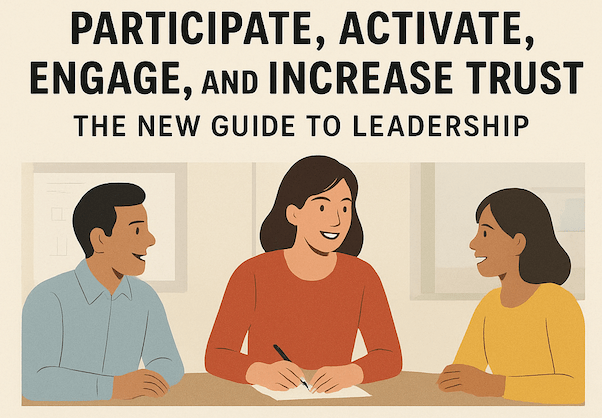
Two contrasting leaders emerged in a tech company facing challenges. One relied on control, leading to disengagement, while the other fostered participation, activation, engagement, and trust, resulting in a motivated team that thrived. The narrative emphasizes that effective leadership is about collaboration and creating a supportive environment for growth and innovation. Continue reading
-
Boost Resilience with Proactive Mindset

In “The 7 Habits of Highly Effective People,” Covey differentiates between proactive and reactive individuals. Proactive people focus on what they can control, leading to personal resilience and growth, while reactive individuals blame external factors. The text encourages recognizing what can and cannot be changed, fostering emotional balance. Using concentric circles to visualize concerns helps… Continue reading
-
Leveraging Accountability Partners in Engineering Leadership

The running ninjas group illustrates the significance of accountability partnerships in enhancing motivation and discipline. These principles apply to engineering teams, fostering collaboration, transparency, and continuous improvement. By promoting goal-setting, structured communication, emotional support, and diverse partnering approaches, teams can improve performance, engagement, and skill development, creating a thriving work environment. Continue reading
-
“Jeffing” Your Way to Better Leadership and Management

“Jeffing” in running, with short walk breaks, can also enhance leadership and management skills. Pace your team, encourage breaks and flexibility, and mix up tasks like alternating between hard running and easier walking. Set achievable goals, be flexible, and create an energized and healthy work environment for long-term success. Continue reading
-
Leadership Skills # 20 : “Firm but Fair” Mentality

In the dynamic realm of leadership, adopting a “firm but fair” approach is valuable. It involves setting standards, making tough decisions, establishing boundaries, learning to refuse, and promptly addressing issues. This balanced leadership style promotes accountability, respect, and productivity, fostering a positive and effective work environment. Continue reading
-
Leadership Skill # 19 : Nurturing a Culture of Accountability

In today’s organizations, fostering accountability is key for effective leadership. Clear expectations, leading by example, open communication, constructive feedback, support, and recognizing accountability are crucial. By prioritizing these elements, leaders can cultivate a culture of accountability, boosting performance and nurturing trust and integrity within their teams. Continue reading
-
Leadership Skill # 18 – Elevating Engineering Culture: Being a Better Version of Everyday

The content discusses the importance of utilizing smartwatch data to achieve fitness goals. It emphasizes the need to interpret and apply various health metrics holistically. Drawing a parallel to engineering, it advocates for a data-driven approach to product health, stressing the significance of continuous improvement for long-term success and positive impact. Continue reading
-
Leadership Skills # 17 – Scope & Impact

The balance between impact and scope is crucial for career progression. Stuck in a limited role can hinder satisfaction and growth. Being proactive means seeking more responsibilities, while cruising indicates rapid growth. Improving skills is essential for enhancing performance. Embrace the journey, explore diverse opportunities, and maximize future success in career progression. Continue reading
About Me

Over 24 years of experience developing software to support multi-million dollar revenue scale and leading global engineering teams. Hands-on leadership in building and mentoring software engineering teams. I love History as a subject and also run regularly long distances to keep myself functional.
 Everyday Reflections